30 Models
Coming soon
The all-new ID. Polo

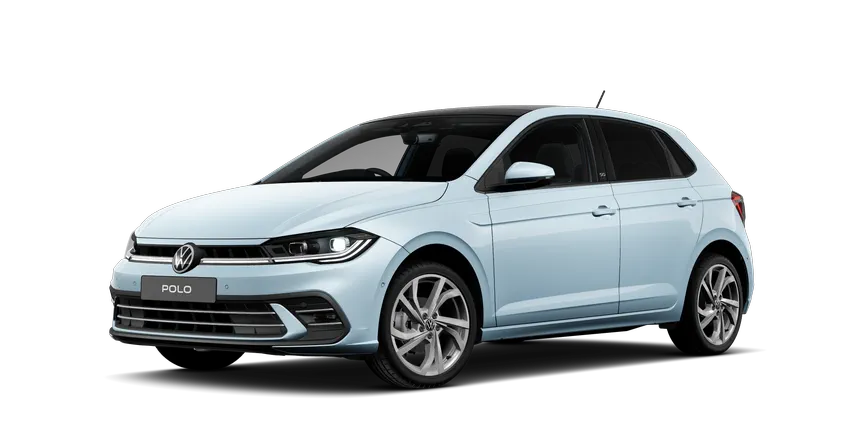
Polo
From £22,055.00
Coming soon
The all-new electric ID. Polo
Reimagining our iconic model for our electric era. The ID. Polo
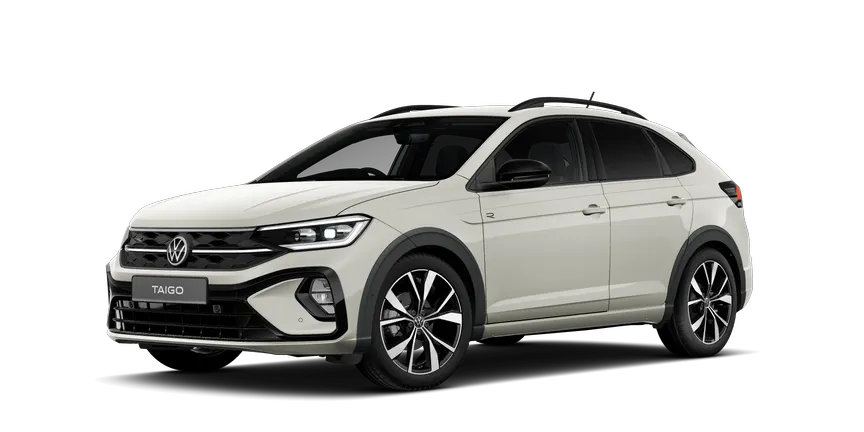
Taigo
From £24,985.00
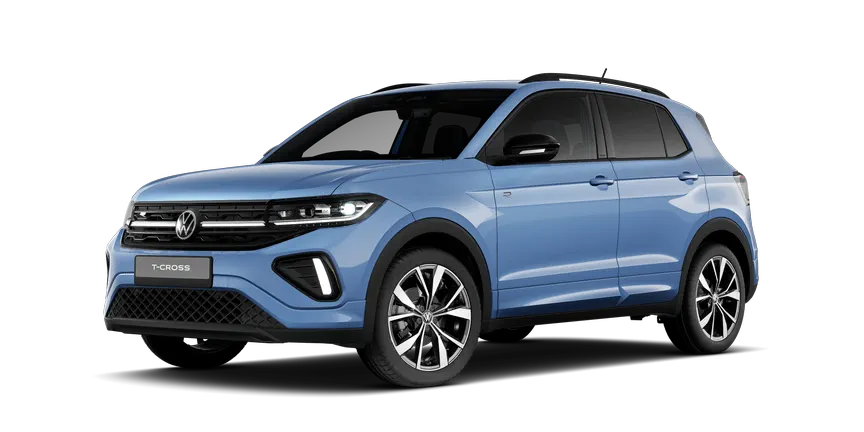
T-Cross
From £25,985.00
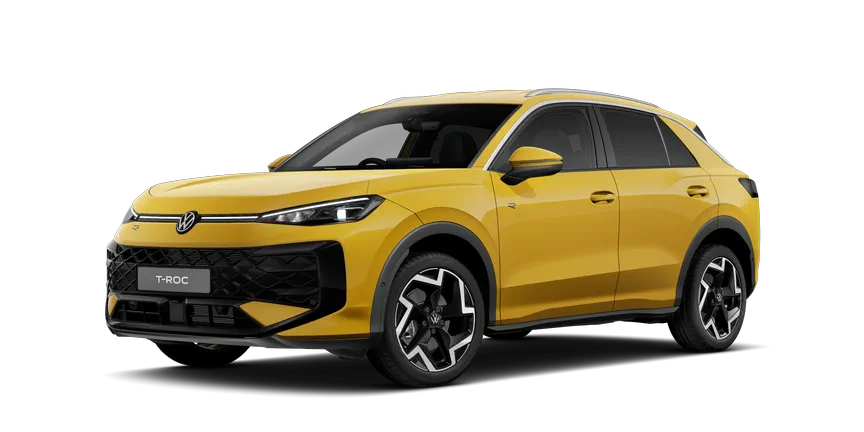
New T-Roc
From £31,635.00
T-Roc Cabriolet
From £35,700.00
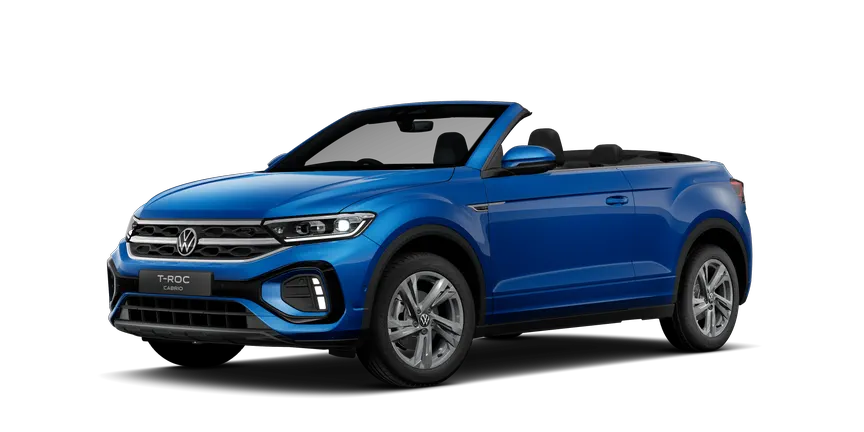
Plug-in Hybrid available
Golf Hatch
From £28,910.00
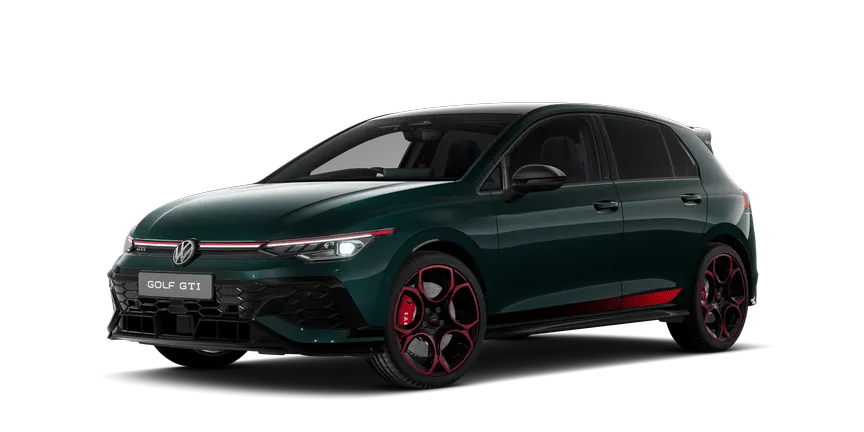
Coming soon
Electric
The new ID.3 Neo

Plug-in Hybrid available
Tiguan
From £38,920.00
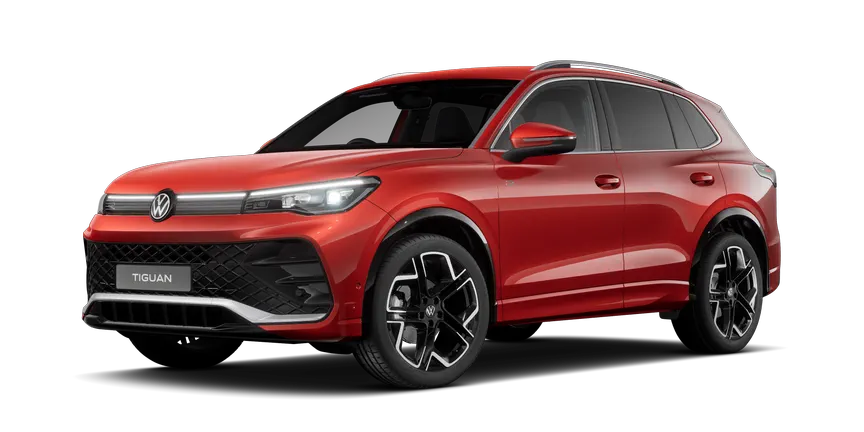
Plug-in Hybrid available
Tayron
From £41,635.00
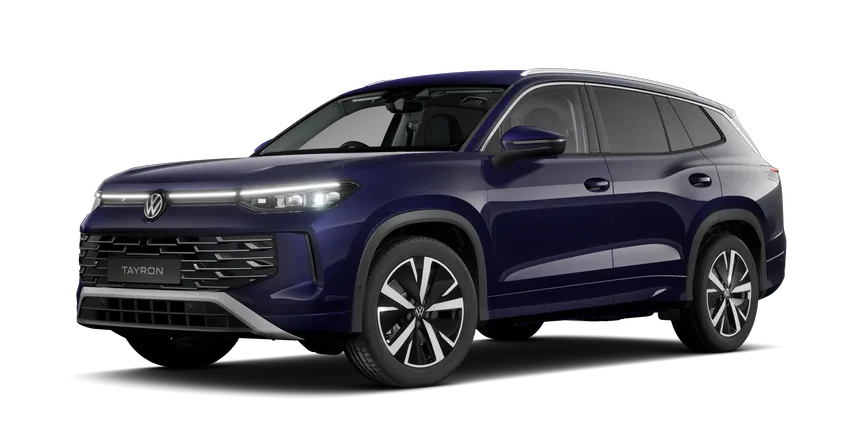
Electric
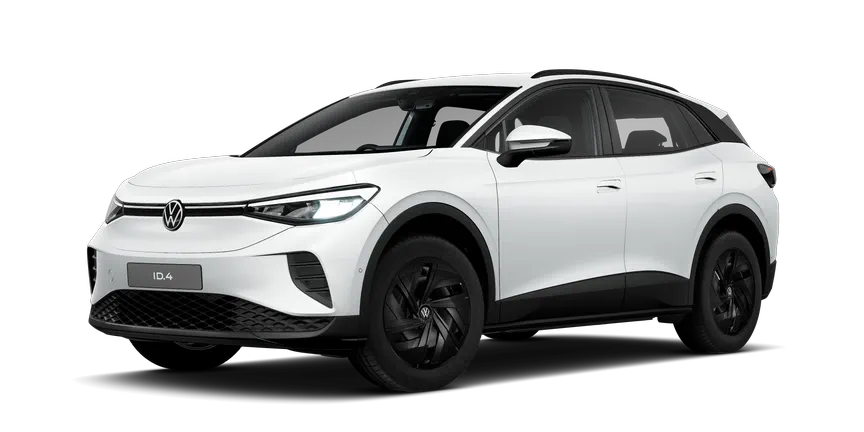
ID.4
From £36,995.00
Electric
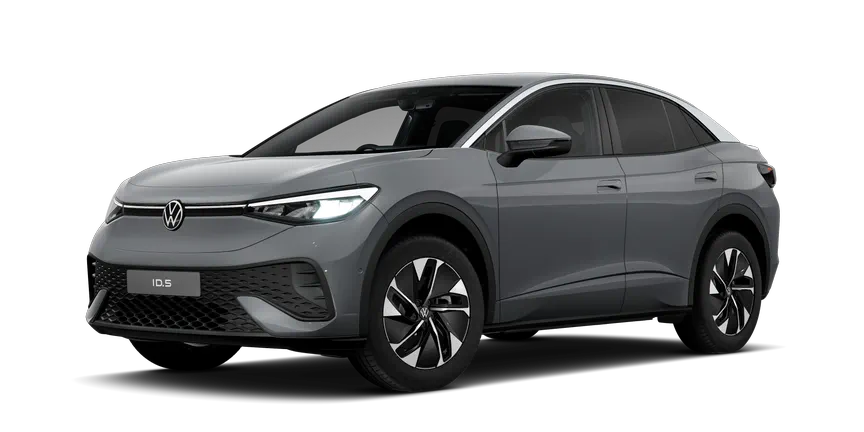
ID.5
From £36,995.00
Plug-in Hybrid available
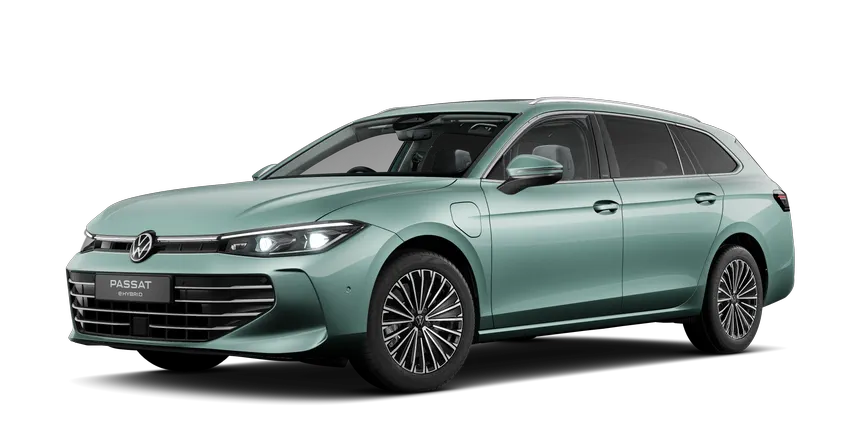
Passat
From £40,875.00
Electric
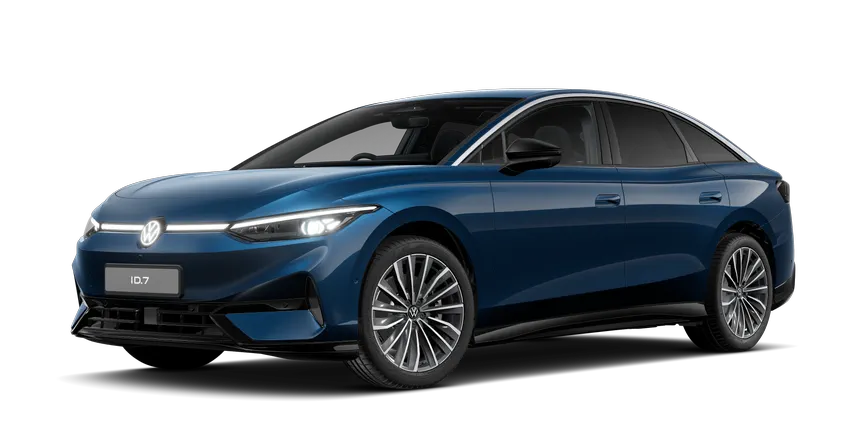
ID.7
From £51,445.00
Electric
ID.7 Tourer
From £52,225.00
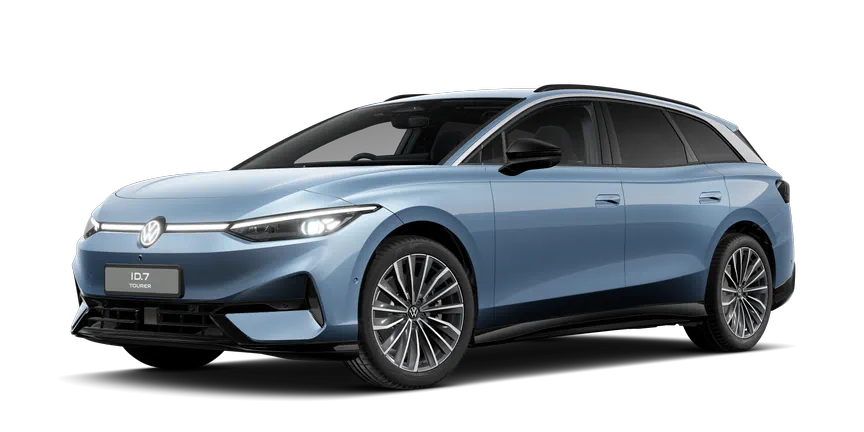
Available from stock only
Plug-in Hybrid available
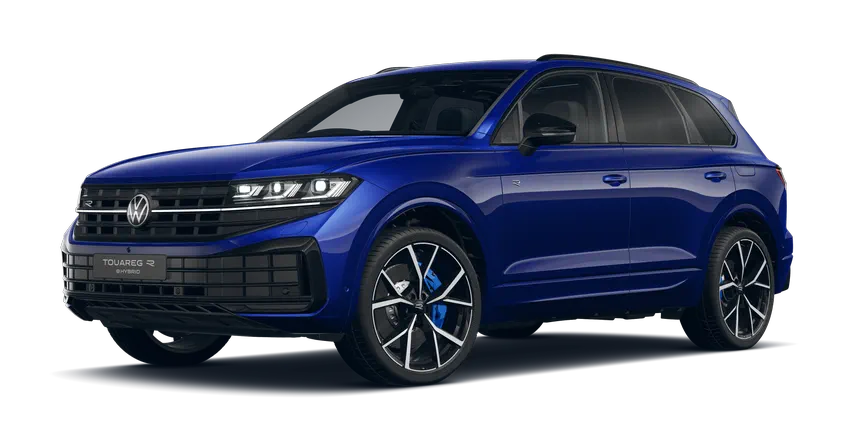
Touareg
From £72,655.00
Touran

Electric
ID. Buzz
From £59,035.00

Commercial vehicles

Multivan

Browse by category

Browse by electric

Browse by hybrid

Browse available stock

Volkswagen R

Volkswagen Match trims

Volkswagen Black Editions

Explore Approved Used Volkswagens

Should you go electric?

Volkswagen newsletter
