How much voltage does an electric car have?
A UK guide for 2026
What voltage does an electric car run on?
Two batteries
Two voltages
One vehicle
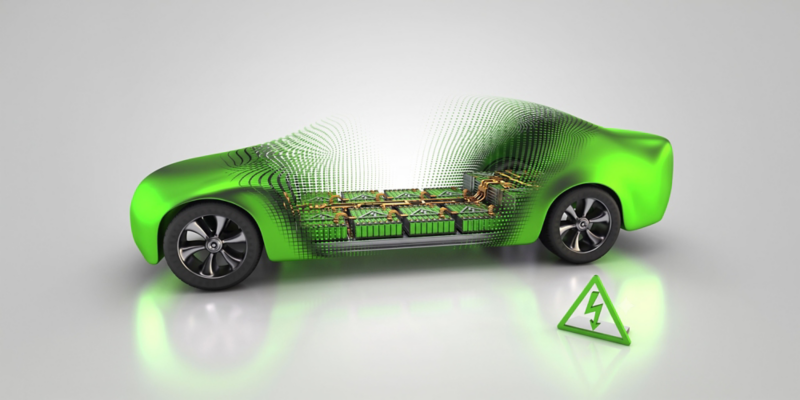
Electric cars like Volkswagen ID. models have two batteries, a high-voltage battery that carries up to 408 volts, and a 12 V battery.
Why do electric cars have two batteries?
EVs have two batteries that provide power to different systems.
What the high-voltage battery powers
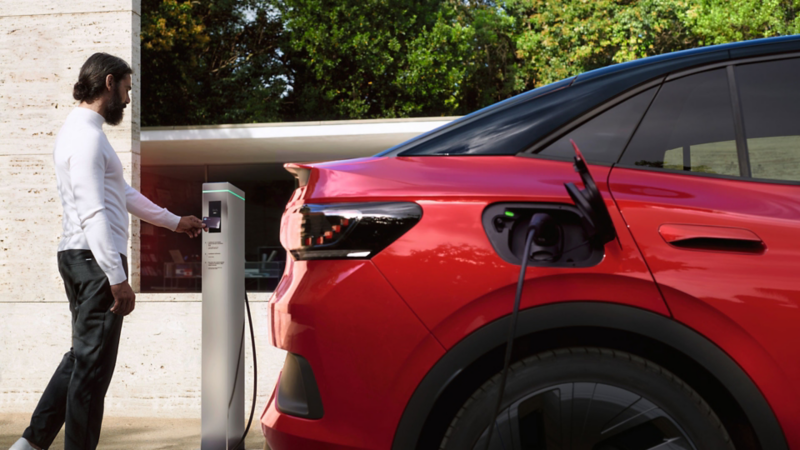
The high-voltage battery in an EV provides energy for driving the vehicle. This battery can be recharged with a cable, or with regenerative breaking.
What the 12V battery powers
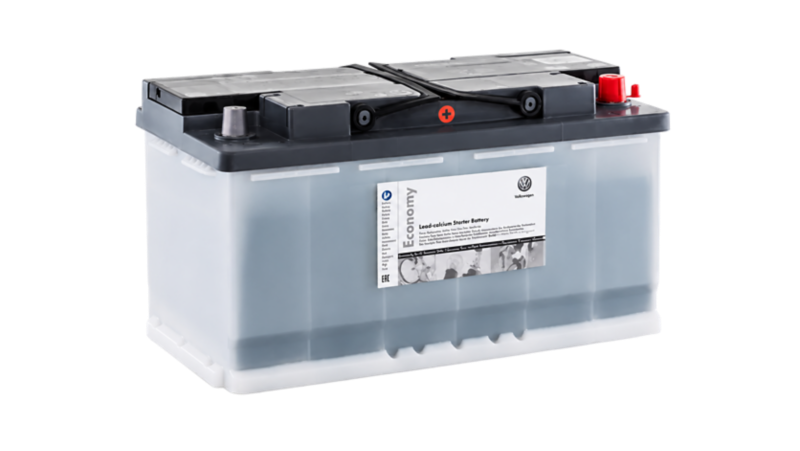
The 12V battery is used to start the vehicle and it also powers various systems and equipment like the electronic control unit (ECU), lights, power steering, wipers, radio, and windows.
What is the difference between 400V and 800V EV architecture?
800V EV architecture doubles the voltage of traditional 400V platforms. That higher voltage allows the system to transfer more power at lower electrical currents and without needing even thicker cables. This allows for a lighter, more efficient vehicle design with faster charging times and less heat generation.
Charging speed and efficiency
The most obvious benefit to the 800V system is the increased charging speeds. 400V systems typically max out at 150kW or 250kW on public chargers, but the 800V system can go as high as 350kW. A 350kW charger would take an 800V system from 10% to 80% in as little as 15 minutes.
The other benefit to the 800V system is the efficiency. To reach charging speeds of 150kW and 250kW the 400V system requires very high currents (amperage), which creates a lot of heat and slows charging speeds as the battery fills up. But the 800V systems can pull the same amount of power with half the current, which results in less energy being lost as heat.
Cabling, weight and cost trade-offs
The 400V system requires thick and heavy copper cables as well as large gauge busbars to safely handle the high electrical currents without overheating. But with an 800V system your electrical current is half as high which generates less heat and allows charging cables to be much thinner.
When it comes to the weight of the vehicle, the 400V system is often heavier because of bulky battery cooling hardware and other heavy components. Since EVs with an 800V system don’t require the same bulky components, they are often lighter and have a better range.
The current standard for EVs is the 400V system. With its well-established manufacturing supply chain, it’s much easier for us to mass produce more affordable EVs. 800V systems require newer and more expensive components which increases overall production costs. However, as 800V systems become more common these costs will go down.
Can you jump start an electric car?
Yes, you can jump start the 12V battery of an electric vehicle with a petrol car, diesel car or a battery booster. Just like a petrol or diesel car, if the 12V battery dies, you won’t be able to turn on the vehicle or engage the main battery. This will not allow you to charge the high-voltage battery. Check your Owner’s Manual or call for roadside assistance to ensure correct, model-specific jump-starting procedures.
Never attempt to jump start the bright orange high-voltage battery pack.
Never use your EV to jumpstart another vehicle.
How long do EV batteries last in the UK?
In the UK, EV batteries have a performance guarantee of 8 years, or 100,000 miles, but they will typically last up to 15 years.
Typical traction battery lifespan and warranty
Every Volkswagen all-electric vehicle comes with a warranty for up to 8 years or 100,000 miles from the point of first registration, to ensure your battery retains 70% of its original capacity. According to the 2025 Generational Battery Performance Index, the average state of health for EVs in the UK is 95%. This study analysed over 8,000 EVs up to 12 years old, with a mileage between 0 and 160,000 miles. This study shows that most EV batteries can comfortably outlive their warranty thresholds, with 75% of 8–12-year-old vehicles, having a battery capacity of 82% or higher.
12V battery replacement intervals
Normally a standard 12V battery will last you 3 to 5 years, beyond this the internal components will start to wear out, and it will struggle to hold its charge. This time frame can change based on your local climate, driving habits and frequency. Common warning signs that your 12V battery needs replacing include electric glitches like dim headlights, flickering dashboard lights, or other issues with the infotainment system.
Frequently asked questions about the voltage of electric cars
Do all electric cars have a 12V battery?
Can I replace the 12V battery in an EV myself?
What is regenerative braking and how does it charge the battery?