Hybrid vs electric cars
Which is better for you?
Electric and plug-in hybrid cars are becoming increasingly popular. With factors such as eco‑awareness, tax benefits, ultra-low emission zones and rising fuel prices, it’s no surprise they’re appearing on more and more driveways. But what are the differences between hybrid and electric? And which is better for you? Here’s an overview to help you decide.
What are the different types of
electric and hybrid cars?
- Pure electric cars are powered entirely by electricity, while hybrid cars combine an electric motor with a combustion engine.
- Hybrid cars offer a great overall driving range by combining a combustion engine with an electric motor, while pure electric cars provide a significantly longer all‑electric range.
- Pure unadulterated fun: electric cars accelerate almost silently and dynamically with full torque from a standing start.
- Most plug-in hybrid cars are capable of driving most day-to-day journeys in fully electric mode.
What are the different types of hybrid car?
Hybrid technology isn’t one-size-fits-all. There are different types of hybrid vehicles, each combining electric power and a combustion engine in its own way. Some focus on short, low-speed journeys, while others are designed for longer distances. At Volkswagen, we offer plug-in hybrids, which you can charge at home or on the go. They let you drive on electric power for everyday trips, with the reassurance of a petrol engine for longer journeys.
What is a mild hybrid?
A mild hybrid uses a conventional engine that’s gently assisted by a small electric motor and battery. The car can’t drive on electric power alone, but the electric system helps the engine during acceleration and allows it to run more efficiently, so you use less fuel than a petrol or diesel car on its own. Energy is recovered through regenerative braking, which captures power when you slow down and stores it in the battery for the next boost.
What is a full hybrid?
A full hybrid has both an electric motor and a combustion engine, and either can drive the car on its own or work together. You don’t plug it in to charge, the battery is topped up automatically, mainly through regenerative braking when you slow down. This makes full hybrids especially efficient in stop‑start city traffic. At low speeds and when pulling away, the electric motor can take the lead, helping to reduce fuel consumption and emissions.
What is a plug-in hybrid?
A plug‑in hybrid works a lot like an electric car for everyday journeys. You can charge the battery at home, at work or at public charging stations, which helps extend its electric range. Like other hybrids, it also recovers energy through regenerative braking and stores it in the battery. For many trips you can drive purely on electric power. When the battery runs low, the combustion engine simply takes over, so you can continue your journey without interruption.
Hybrid cars for a greater overall range
Many of our most popular Volkswagen models are available as plug-in hybrids, from the iconic Golf eHybrid and Golf GTE to the Tiguan eHybrid and beyond.
Thanks to combining a petrol engine and electric motor, plug-in hybrids offer excellent overall range. However, their electric-only range is shorter than a purely electric car. For example, a plug-in hybrid typically manages around 30–50 miles of pure electric driving, which covers most day-to-day journeys.
A smart system decides when to use the electric motor for shorter trips or the petrol engine for longer distances. All Volkswagen plug-in hybrids let you choose the mode yourself: E-Mode runs purely on electric power for quiet, emission-free driving, while Hybrid Mode combines both engines for maximum efficiency and range.
Pure electric cars for a longer, all-electric range plus economical and environmentally-aware driving
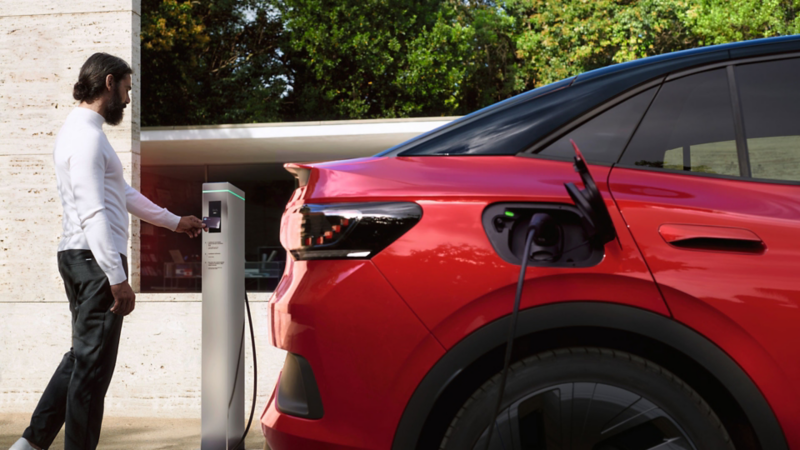
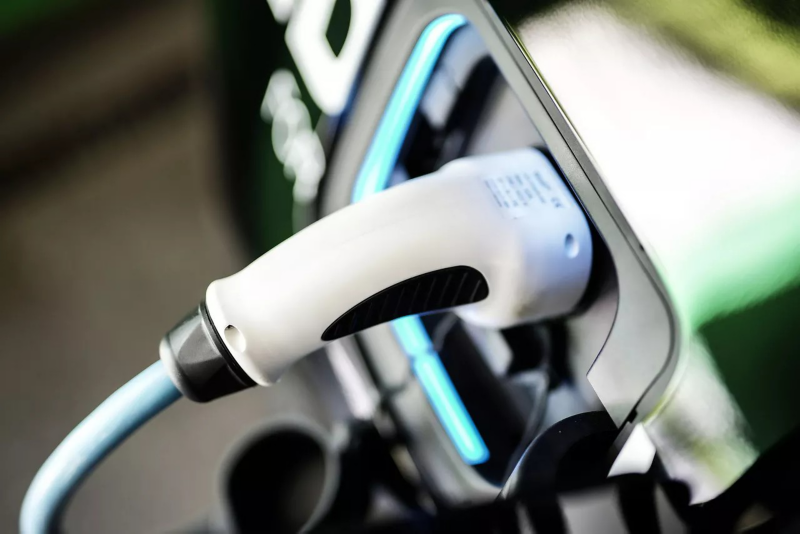
Pure electric cars run exclusively on electricity, so they produce zero emissions. You can charge at home using a standard socket or a home wallbox (which is much faster), or at public charging points.
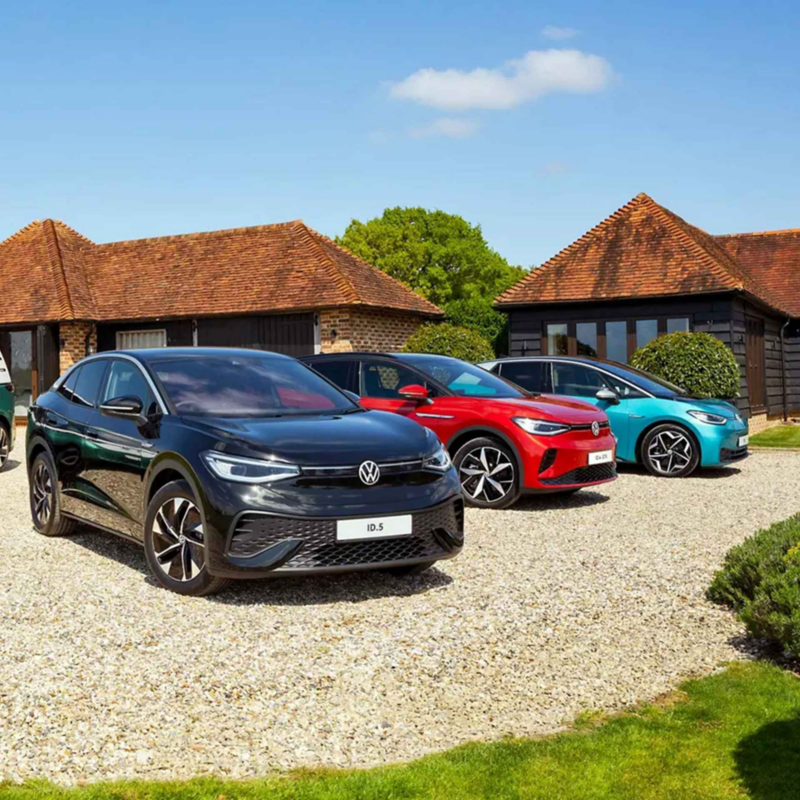
The all‑electric Volkswagen ID. Range offers a wide choice of models to suit your lifestyle, from compact city cars to spacious family tourers. Whether it's daily commuting, school runs or longer trips, there's an ID. that fits the way you live and drive.
Electric driving brings clear benefits. Lower energy costs, fewer moving parts and no oil changes help reduce running and maintenance expenses. In many areas, all‑electric cars also benefit from tax advantages and exemption from charges in Ultra Low Emission and Clean Air Zones.
On the road, you enjoy smooth, near‑silent performance with instant acceleration and confident handling thanks to the low‑mounted battery.
How does the regenerative braking system work?
Regenerative braking converts kinetic energy into electrical energy which is stored in the high-voltage lithium‑ion battery.
Pure driving enjoyment: dynamic and powerful
Electric vehicles deliver real driving fun. They accelerate dynamically, with full torque from a standing start, no gear shifts or delay. The moment you press the accelerator, you feel the difference. The new ID.4 GTX, for example, accelerates from 0 to 62 mph in just 6.2 seconds.
Plug-in hybrids are equally engaging. Over short to medium distances, they drive like a pure electric car, giving you that same smooth, powerful acceleration. For longer journeys, they combine both engines for a powerful and confident drive with a reassuring range.

In conclusion: your drive needs to fit in with your life.
Both hybrids and electric cars have their benefits. Your needs and habits will be the main factor in finding the drive type that is your best fit. Do you mainly drive in town? Do you mainly drive short distances, or do you also frequently make longer trips? Is a purely electric drive more important to you, or do you still want to be able to fill up your tank? All these aspects play a key role in the decision-making process about your future vehicle.
Electric and hybrid FAQs
Which is better, hybrid or electric?
What’s the difference between hybrid cars and electric cars?
Are hybrid cars cheaper to run than electric cars?
What’s the range of a hybrid car compared to an electric car?
What are the pros and cons of hybrid cars?
What are the pros and cons of electric cars?
Is it worth buying an electric car before the 2030 petrol and diesel ban?