Bidirectional charging with the ID. models
How your ID. is becoming the energy source of the future
Bidirectional charging turns your Volkswagen ID. into a flexible power storage system. It stores energy and provides it again when needed. This opens up new opportunities for you to use electricity more intelligently, reduce costs and become more independent.
Your ID. can supply power to external devices – Vehicle-to-Load (V2L) – making energy usable at home – Vehicle-to-Home (V2H) – and also feed electricity back into the public grid in the future – Vehicle-to-Grid (V2G).
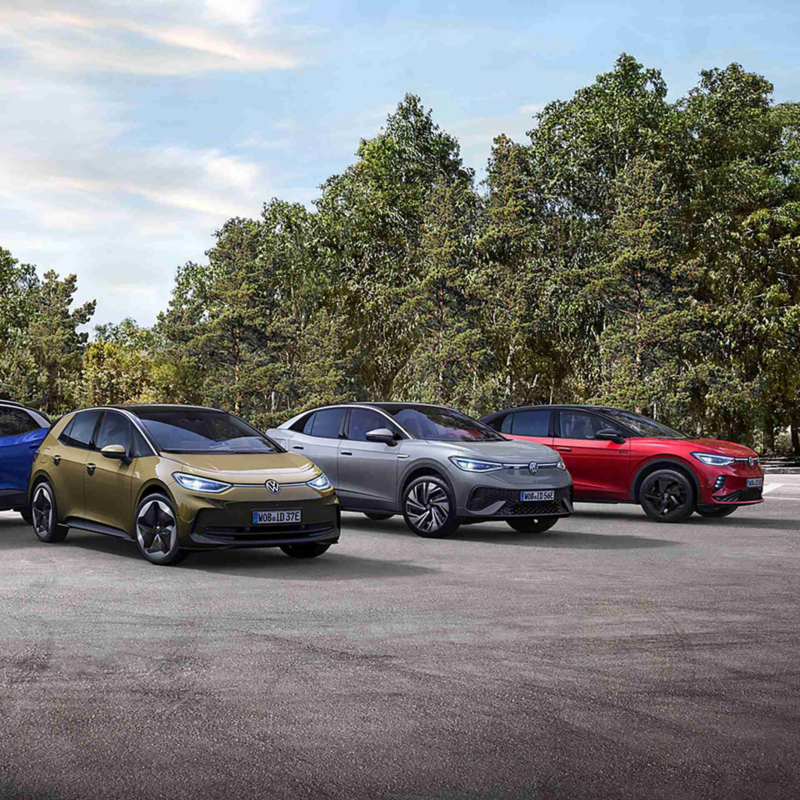
Bidirectional charging is available for all ID. models with updated ID. software version 6. Many existing vehicles can already use the function – from ID. software version 3.5 in conjunction with a battery capacity of 77 kWh or more.
Your ID. as an intelligent storage medium
Vehicle-to-Load (V2L): Your ID. as a mobile energy source
With Vehicle-to-Load, ID. models (from ID. software version 6) can conveniently supply up to 3.6 kW of power to external devices such as a kettle, electric grill or refrigerator directly from the vehicle. To do this, you can use either a 230 V socket in the interior (cannot be used during an AC charging session) or the PowerSocket outdoor adapter via the Mode 3 connection.
The energy output can be used both when stationary and while driving and can even be supplied simultaneously with a charging session. A smart control system monitors the high-voltage battery: if the charge level drops to around 20%, the power output is automatically terminated to ensure that you have sufficient range left.
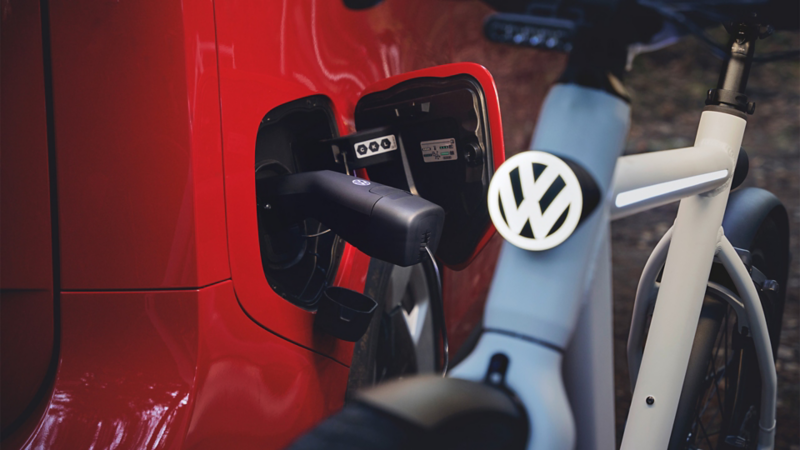
Vehicle-to-Home (V2H): Your ID. as part of your energy system
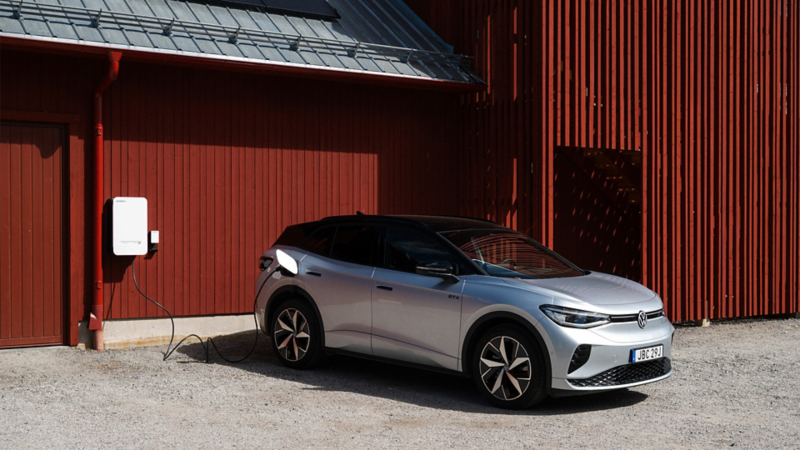
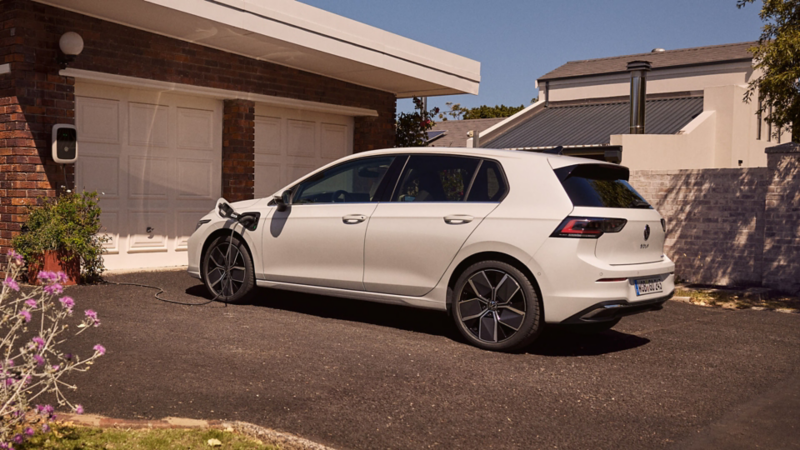
With Vehicle-2-Home, your ID. uses bidirectional charging to assist with intelligent energy storage. In conjunction with a photovoltaic system or with dynamic electricity tariffs, your ID. can store energy under particularly favourable conditions for subsequent use in your home.
In combination with a photovoltaic system, you can store surplus, cheaply generated solar power in the ID. for subsequent flexible use in your home – for example, in the evening for household appliances, lighting or heating systems. It makes your ID. an active part of your energy management system.

Vehicle-to-Grid (V2G): Bidirectional charging into the public power grid
With Vehicle-to-Grid the vehicle becomes an active part of a networked energy system: Energy stored in the battery can be fed back into the power grid, if required. Projects and pilot applications are already showing how Vehicle-to-Grid and Vehicle-to-Home could be used in the future. The potential is huge: for more intelligent, cost-efficient energy use, greater flexibility and a future-oriented energy supply.