
How To Recycle Your Electric Car Battery?
The regulations for the batteries that go into electric vehicles are extremely strict. At Volkswagen, we use this to drive our research into increasing the effectiveness of not just new batteries, but used ones too.
Maximising the life of every battery is a critical part of our sustainability strategy
Accelerating, braking, quick charging at a station, overnight charging at home, cold winter weather, hot summer days, moisture and hard vibrations. All of these put strain on batteries, which is why we offer robust battery warranties that assure owners of their durability and capacity. Inevitably however, there will come a time when the battery is no longer fit for use in a car, and that’s when it becomes a second-life battery.
Can you recycle EV batteries?
There are many ways we can recycle batteries before their raw materials are extracted and reused to manufacture new ones. Some batteries can be used in electric cars again after being repaired, while the ones that can’t are used in second-life projects. This ensures that we keep waste to a minimum while manufacturing our batteries.
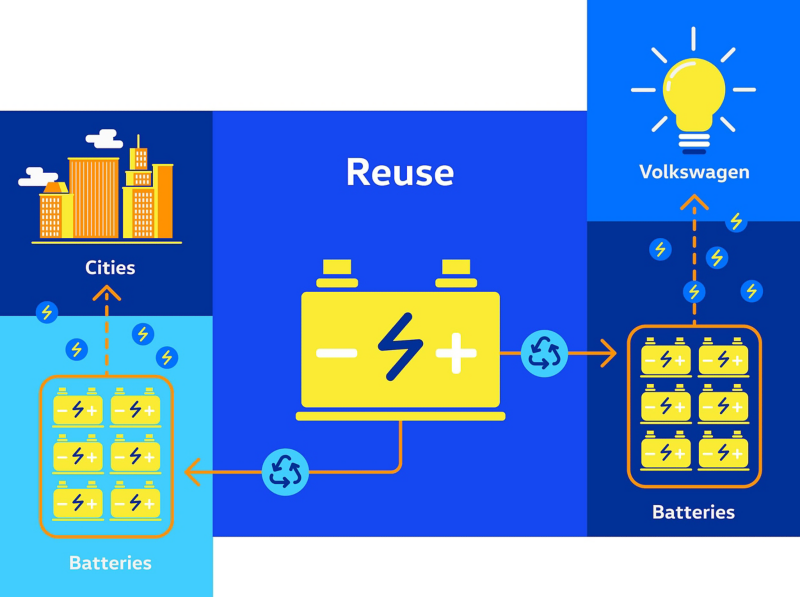
Reuse
“In addition to an optimal recycling process, the extension of the working life plays a central role in our group battery strategy. In principle, the batteries should be repaired or reconditioned in the first instance or be converted into second-life projects for complete reuse.” says Tobias Enge, a group strategist in the business field of e-mobility & infrastructure. Which is why we have numerous second-life, mass-storage projects that are ongoing. By combining several used vehicle batteries, we can use them as giant batteries in Volkswagen plants and in cooperative projects with supply companies and cities. With these types of programs, we can continue to extend battery life in new ways.
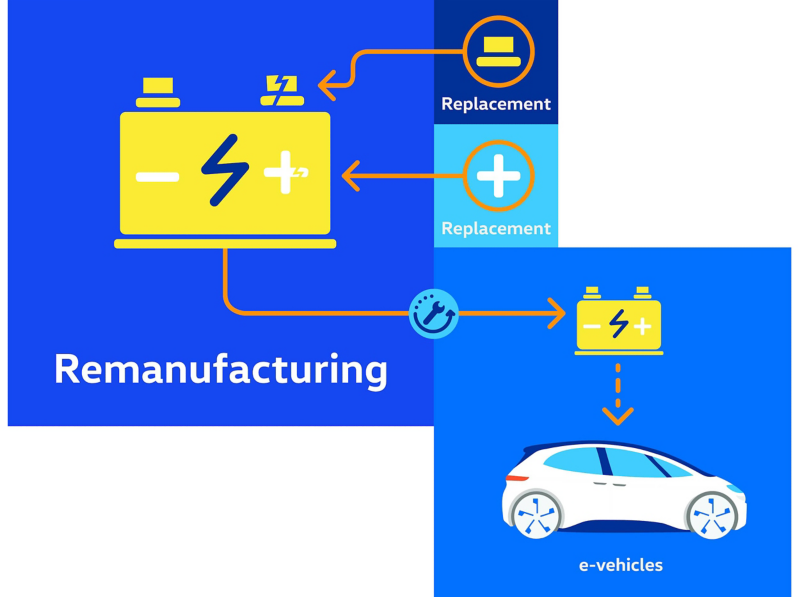
Remanufacturing
When certain components inside a used battery are replaced, they can become useable in electric cars again. Parts can also be taken from used batteries and saved for future use.
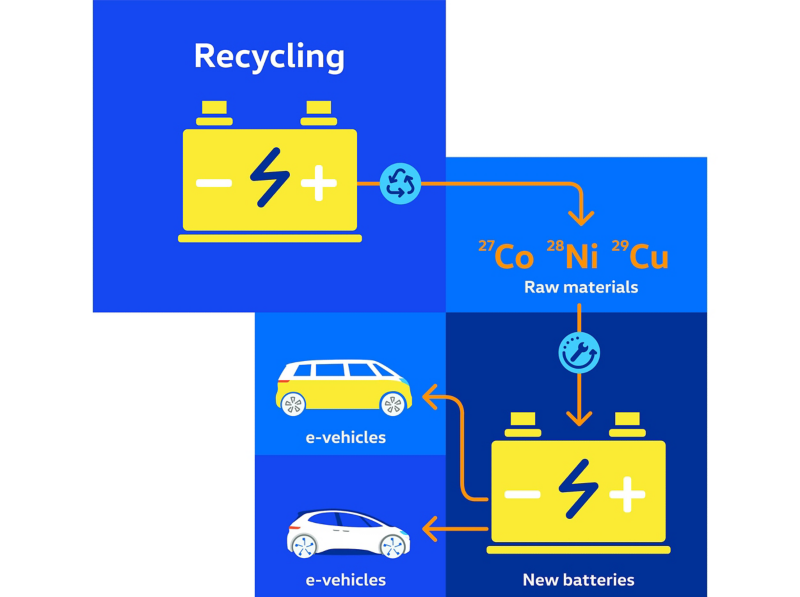
Recycling
When it’s time for the battery to be recycled, it must be done carefully and safely. We do this in co-operation with our recycling partners. “The batteries are dismantled, crushed and reprocessed. Here, raw materials such as nickel (28Ni), copper (29Cu) and cobalt (27Co) are recovered in large quantities and can then, for example, be reused in the production of new battery cells.” Tobias Enge explained. This all ensures that we keep waste to a minimum while manufacturing our batteries.
As soon as there are enough reusable batteries and electric vehicles, these strategies will be rolled out across all of the Volkswagen Group.
Where to recycle your Volkswagen EV battery.
We recommend contacting your local Retailer, they can help you initiate the recycling process for an old EV battery.
Never try to remove or dispose of the EV battery yourself. It must be handled by a professional due to extreme voltage risks and hazardous materials inside.
Why it is important to recycle your battery?
In order to maximise the environmental benefits of transitioning to electric vehicles, it’s crucial that EV batteries are recycled carefully and safely. Proper recycling prevents toxic chemicals, and hazardous waste from ending up in landfills, plus it allows us to reuse raw materials and critical components when manufacturing future batteries.

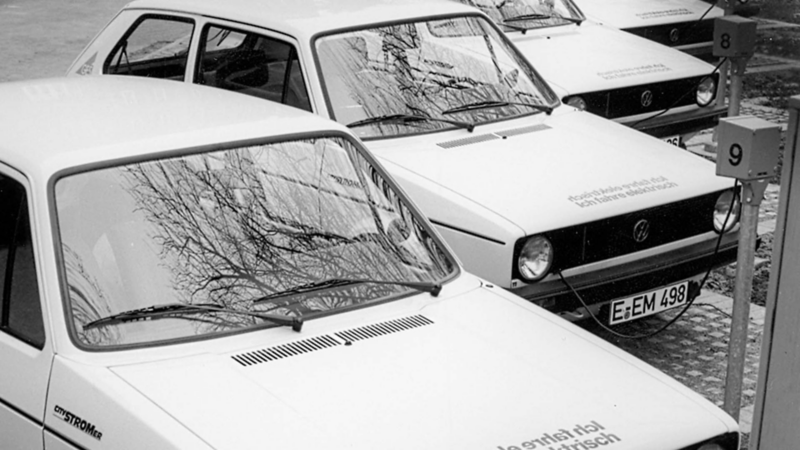
Electric pedigree
The development of our revolutionary ID. range didn’t happen overnight. Our electric history first started in 1970. Let us take you back to the start of our journey towards a more sustainable future.

Leading the way
Our goal isn’t just to sell electric cars. We’re designing a range of vehicles with high performance, that go further and put efficiency at the heart of their design.


